Cultural Crossroads: Popular Culture, Diaspora, and the Quest for Belonging
Popular culture operates differently across geopolitical boundaries. Whereas in the West, popular culture is largely associated commercialization and consumerism, in post-socialist societies and countries governed by authoritarian regimes, it often evokes notions of liberty and rebellion. In these contexts, popular culture has articulated alternative ways of life that challenge prevailing repressive narratives. Here, it has helped precipitate resistance movements and has engendered new dynamics of protest.
So, what happens to these aspects of popular culture that speak to national resistance movements when they travel across borders? What happens when they are no longer situated exclusively under authoritarian regimes, but instead become part of diasporic communities? How is this popular culture reinterpreted when communities migrating from post-socialist countries seek new forms of cultural belonging that relate both to their precarious residency status and to their nostalgia for the homeland they left behind? How does this popular culture adapt when subsumed into ‘Western’ market conditions? In an attempt to answer these questions, this workshop will explore a range of popular cultural media in how they shape individual and collective experiences of cultural belonging at these cultural crossroads. These media include music, literature, film, comics, folk traditions, performative genres, podcasts, and social media content such as memes and reels.
We will explore how diasporic conditions reshape the production, dissemination, and reception of popular culture. We will further examine which forms of communication become productive between those who have left and those who have remained; how artistic networks in exile create spaces for intercultural and multilingual exchange; how publishing markets, music and literary festivals, awards, and publications are adapted in exile; and which new digital formats, genres, and artistic practices emerge as the production of popular culture responds to the contemporary funding landscape and ever-changing audiences.
By bringing these lines of inquiry together, the workshop will analyze the implications of this traveling popular culture for the formation of cultural belonging and political positioning within diasporic communities. The workshop will take multiple analytical perspectives into account, including social, migratory, gendered, body-political, and institutional perspectives.
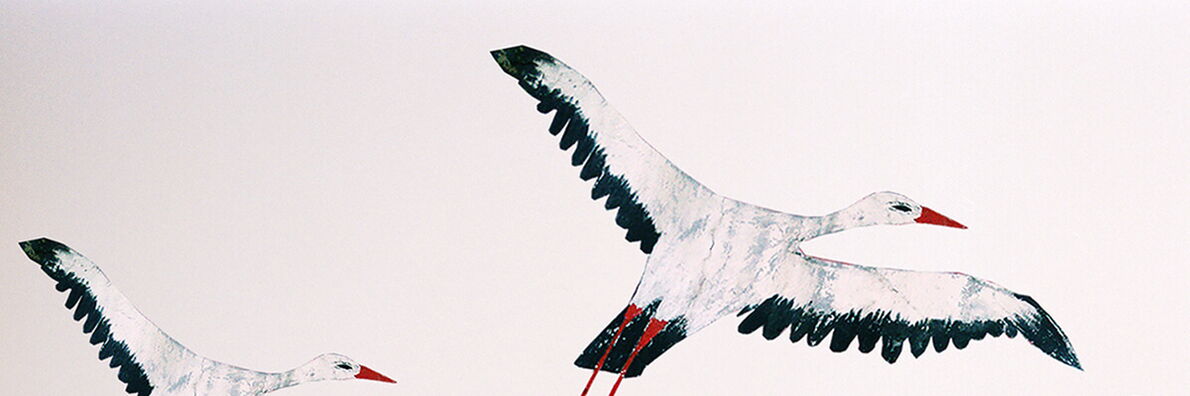
Fig. above: Masha Sviatahor: Sleeping Girls Leaving the City (detail), from the series Kurasoushchyna, My Love, 2016. © Masha Sviatahor